Custom Concrete Installation
Elevate Your Exterior: Top Concrete Contractors for Patios, Driveways, and Concrete Slabs
Redesigning outdoor spaces requires careful consideration and expertise. Concrete contractors serve a essential role in enhancing driveways, patios, and slabs. They offer a variety of design options and robust solutions that can elevate any property's curb appeal. However, understanding the benefits of concrete and what to look for in a contractor is important. What key features should one focus on to guarantee a successful outdoor transformation?
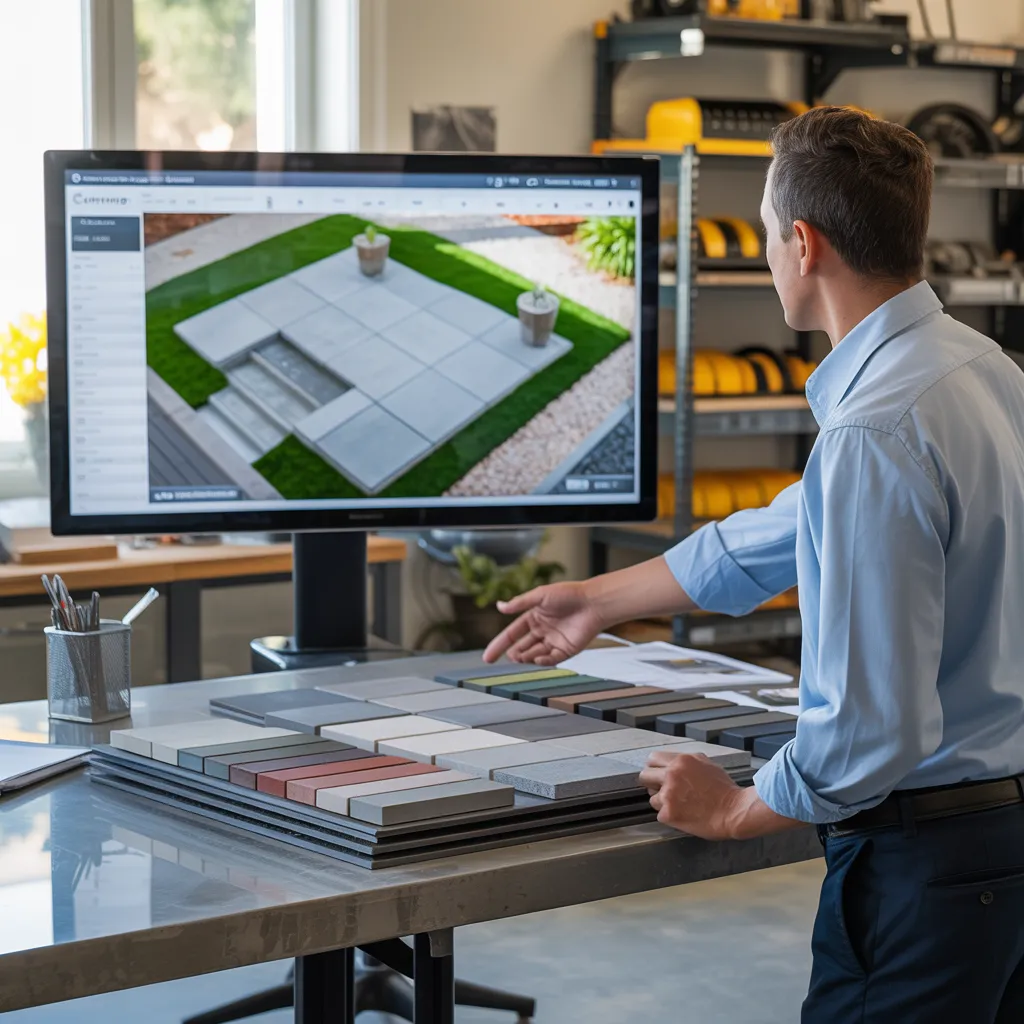
Advantages of Opting for Concrete for Exterior Areas
While numerous materials are accessible for outdoor locations, concrete stands out owing to its durability and versatility. Its capacity to withstand extreme weather conditions makes it an excellent choice for slabs, patios, and driveways. Concrete is not only impervious to cracking and fading but also demands minimal maintenance in comparison to other materials, such as wooden or stone materials.
Moreover, concrete delivers a broad array of design alternatives, enabling homeowners to tailor their outdoor spaces. From stamped textures to colored finishes, the aesthetic appeal of concrete can elevate any landscape. Furthermore, its cost-effectiveness presents a viable solution for cost-aware homeowners without compromising quality.
One more advantage is concrete's eco-friendliness; it can be recycled and often reflects heat, contributing to energy efficiency. In general, choosing concrete for outdoor spaces guarantees longevity, aesthetic appeal, and sustainability, making it a popular choice for many property owners.
Main Points to Evaluate When Hiring a Concrete Contractor
Choosing the right concrete contractor is essential for guaranteeing a successful outdoor project. Multiple key factors must be considered when making this decision. First, experience and expertise are essential; a contractor with a demonstrated history in similar projects can offer valuable insights and quality workmanship.
Following this, confirming proper licensing and insurance is crucial, as this shields both the homeowner and the contractor in case of accidents or unforeseen issues. In addition, seeking references and reading online reviews can demonstrate a contractor's reliability and customer satisfaction levels.
It's also crucial to get complete estimates, covering materials, timelines, and labor to prevent surprise costs. Finally, effective communication concerning project expectations and timelines can foster a more seamless working relationship. By weighing these factors, homeowners can make an informed choice, leading to a high-quality and lasting concrete installation.
Key Features to Examine in Concrete Driveways
When planning for a concrete driveway, several key features play a role in its overall quality and functionality. Durability is critical; the driveway should tolerate fluctuating weather conditions and heavy loads without cracking. Additionally, a well-constructed driveway should have appropriate drainage to avoid water accumulation, which can bring about damage over time.
Another important aspect is the surface finish. Options including stamped or colored concrete can boost visual appeal while preserving functionality. Furthermore, the thickness of the concrete slab serves a critical function in its strength, with a minimum of four inches often recommended for residential driveways.
Finally, the inclusion of expansion joints is vital to accommodate temperature changes, reducing the risk of cracking. By focusing on these characteristics, homeowners can confirm that their concrete driveway not only satisfies their aesthetic preferences but also proves long-lasting.
Modern Patio Space Designs Which Elevate Your Outdoor Living
Well-designed patio designs can transform outdoor spaces into appealing extensions of the home. From modern minimalist aesthetics that highlight clean lines to rustic outdoor gatherings that create warmth and community, there are various approaches to examine. In addition, colorful stamped concrete can add lively character while providing durability and ease of maintenance.
Contemporary Minimal Patios
Contemporary minimalist patios represent a harmonious combination of simplicity and functionality, transforming outdoor areas into serene retreats. Characterized by clean lines and uncluttered designs, these patios employ concrete as a primary material, creating a sleek and durable surface. Neutral color schemes, such as whites, grays, and earthy tones, amplify the sense of tranquility. Incorporating minimalist furniture—such as low-profile seating and simple tables—ensures that the focus remains on the beauty of the surroundings. Thoughtful concrete patio landscaping, featuring low-maintenance plants, complements the aesthetics without overwhelming the space. This design philosophy not only maximizes usability but also encourages relaxation, making modern minimalist patios ideal for anyone seeking a stylish yet calming outdoor setting.
Country Outside Celebrations
How can one create a warm and inviting atmosphere for outdoor gatherings? Rustic exterior designs provide a perfect solution by combining natural elements with cozy aesthetics. Using reclaimed wood furniture, stone fire pits, and earthy color palettes can enhance the charm of any patio. Including comfortable seating arrangements promotes conversation, while soft lighting, such as string lights or lanterns, adds warmth as the sun sets. Natural components like potted plants and wooden accents create a seamless connection with the outdoors. In addition, including durable concrete surfaces, like textured slabs, not only boosts functionality but also complements the rustic theme. With these well-planned design choices, outdoor spaces transform into inviting retreats for friends and family to enjoy memorable gatherings.
Vibrant Decorative Stamped Concrete
While many homeowners seek ways to elevate their outdoor living spaces, colorful stamped concrete emerges as a popular choice for upgrading patios. This modern design method allows for a selection of textures and patterns, resembling natural materials like stone or brick while delivering durable and low-maintenance benefits. Home owners can opt from a wide palette of colors, permitting them to tailor their patio to coordinate with their personal style and the entire look of their homes. The versatility of stamped concrete not only boosts visual appeal but also enhances property value. As outdoor living continues to rise in prominence, colorful stamped concrete stands out as a stylish and practical solution, transforming typical patios into colorful, appealing spaces for unwinding and hosting.
Getting to Know Multiple Varieties of Concrete Slabs
Concrete slabs function as a fundamental element in building, as they provide a solid foundation for multiple structures, including driveways, patios, and floors. There are several types of concrete slabs, each serving unique purposes. The most popular type is the reinforced concrete slab, which is reinforced with steel bars to increase strength and durability. Another variant is the post-tensioned slab, where high-strength steel tendons are tensioned to enhance load-bearing capacity.
In addition, there are insulated concrete slabs, which integrate insulation materials to enhance energy efficiency, making them well-suited for residential buildings. Lastly, floating slabs are built to accommodate ground movement and are typically used in areas prone to settling. Understanding these diverse types of concrete slabs helps in selecting the right option for specific projects, ensuring that the installation meets structural and aesthetic requirements properly.
Upkeep Recommendations for Enduring Concrete Installations
Adequate maintenance is vital for ensuring the longevity of concrete installations. Regular cleaning practices, paired with suitable sealing and coating, significantly improve durability and appearance. By implementing these maintenance tips, homeowners can shield their outdoor concrete areas from damage and deterioration.
Consistent Cleaning Habits
Maintaining a spotless appearance and increasing the lifespan of concrete installations demands regular cleaning practices. Regular sweeping eliminates dirt, debris, and leaves, avoiding stains and surface damage. For more thorough cleaning, a mixture of mild detergent and water can be used, along with a stiff-bristled brush to scrub away stubborn stains. Power washing is effective for larger areas but should be used with caution to prevent surface etching. It is also essential to promptly remove spills, specifically oil or grease, to stop permanent staining. In addition, keeping vegetation trimmed back can reduce the accumulation of organic materials that may foster mold growth. By applying these regular cleaning practices, property owners can ensure their concrete surfaces remain appealing and functional for years to come.
Protective Sealing and Coating
Regular cleaning practices form the foundation for preserving the integrity of concrete surfaces, but sealing and coating are essential for enhancing their durability. These protective layers safeguard the concrete from water intrusion, discoloration, and destructive UV exposure, ultimately prolonging its lifespan. It is beneficial to apply a high-quality sealant following installation and periodically reapply it, typically every 1-3 years, depending on weather conditions. Additionally, using appropriate coatings can increase traction and reduce surface wear. Homeowners should consider seeking advice from experienced contractors to select the right products for their specific needs. By prioritizing sealing and coating, one can confirm that driveways, patios, and slabs remain aesthetically pleasing and structurally stable for years to come.
Common Questions
How Long Will a Concrete Installation Generally Take?
Concrete installation normally takes 1-3 days, contingent upon variables such as job size, environmental conditions, and concrete curing requirements. Strategic planning and scheduling can help provide a more efficient and smoother installation process.
What Weather Conditions Affect Concrete Pouring?
Weather conditions substantially affect concrete pouring. Rain, temperature extremes, and high wind conditions can impede the curing process, creating structural issues. Ideally, temperate temperatures and dry conditions are most suitable for optimal concrete installation and longevity.
Can I Handle Concrete Installation Myself, or Should I Hire a Contractor?
Self-installation of concrete is feasible, though it requires skill and knowledge. Engaging a contractor is usually advised for quality outcomes, because professionals provide proper mixing, pouring, and finishing, preventing future complications and increasing durability.
How Can I Select the Right Concrete Mix for My Construction Project?
To choose the right concrete mix, one should take into account the project's objective, desired strength, and environmental conditions. Working with professionals or following industry standards can guarantee the mix meets specific requirements effectively.
What Should I Do if My Concrete Cracks?
If concrete forms cracks, determining the severity is vital. Small cracks are often repaired with sealant, while larger ones may require professional assessment. Regular maintenance and sealing can avoid future damage and increase the lifespan of the concrete.